November 19, 2026
Keeping your boat lift in peak condition protects both your watercraft and your shoreline investment from unexpected mechanical failures. Because marine environments constantly expose metal frames, cables, and electrical components to moisture, salt, and heavy loads, proactive care is essential for safe and reliable operation. This guide walks through the core components, inspection routines, and cleaning habits needed to extend the lifespan of your boat lift.
Understanding Your Boat Lift System Mechanics
Comparing Common Residential Boat Lift Types
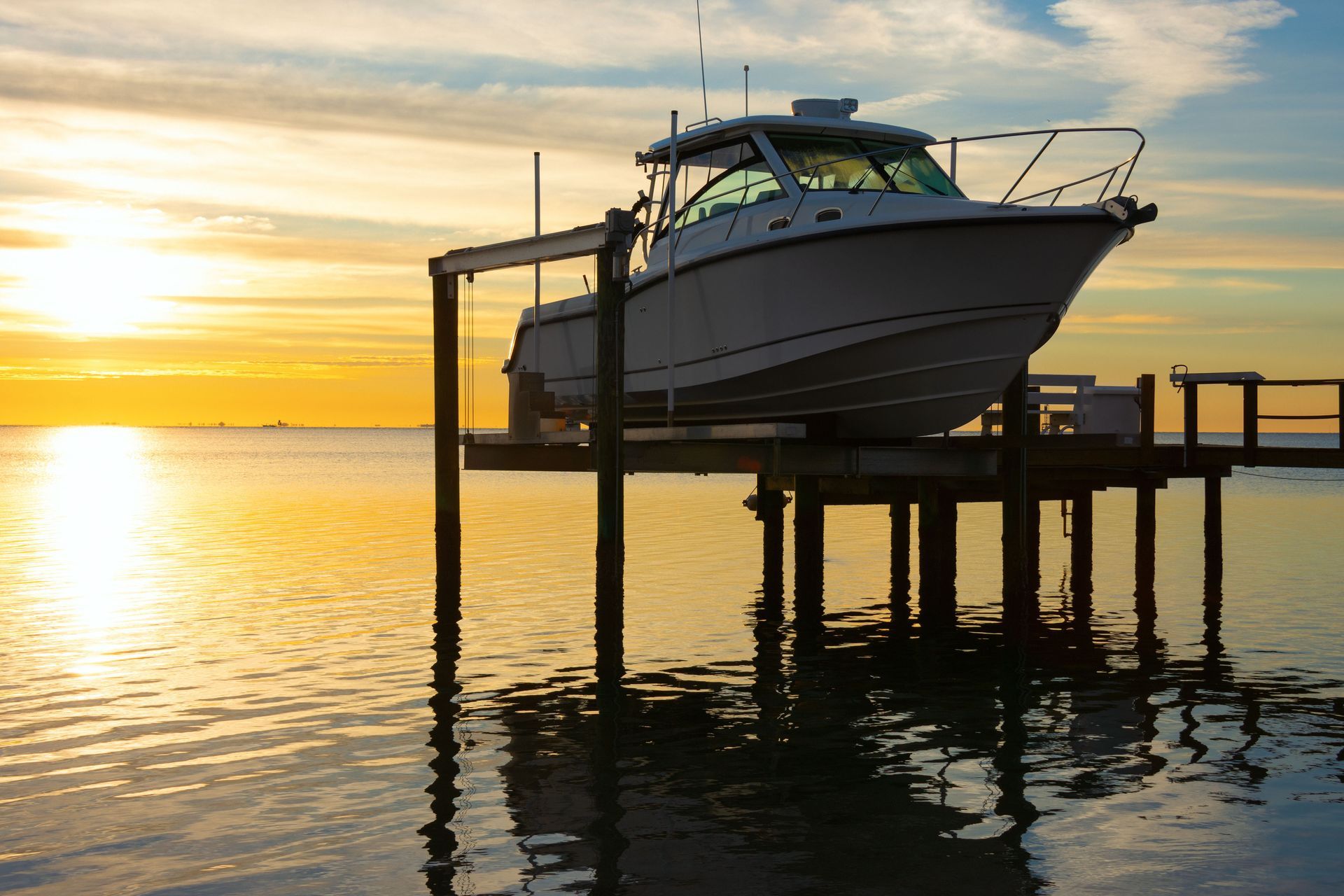
Boat lifts come in various types, each designed to cater to specific needs and boat sizes. The most common types include the cantilever, vertical, and hydraulic lifts. Cantilever lifts are ideal for shallow waters with limited space, while vertical lifts are well-suited for deeper waters. Hydraulic lifts, on the other hand, offer advanced features such as remote control operations. Choosing the right type of lift depends on your usage patterns and the environment of the water body.
Identifying Core Structural Boat Lift Components
A comprehensive understanding of boat lift components is vital to efficient maintenance. Key components include the frame, cables, pulleys, bunks, and cradle. The frame acts as the lift's skeleton, providing structural integrity and support. Cables and pulleys enable the lift’s motion, ensuring smooth operation while handling the boat's weight. Bunks and cradle ensure the boat is seated securely and prevent hull damage.
Learning How Boat Lift Mechanics Operate
Grasping the mechanics of how boat lifts work enhances your ability to maintain this complex equipment. Essentially, boat lifts function by utilizing mechanical leverage systems, cables, and pulleys to raise and lower boats in and out of the water. Control systems, whether manual or hydraulic, manage the power needed for operation. Understanding these mechanics aids in troubleshooting and optimizing lift use. It also empowers consumers to perform effective periodic maintenance.
Evaluating Durable Marine Boat Lift Materials
Boat lifts are constructed from several materials, each impacting their durability and maintenance needs. Common structural materials include aluminum, galvanized steel, and stainless steel. Aluminum is lightweight and resistant to corrosion, making it a popular choice for many boat lifts. Galvanized steel offers significant strength and is often used in harsher marine environments for its ability to withstand heavy loads. Stainless steel combines corrosion resistance with robust strength, suitable for both freshwater and saltwater setups.
Following Manufacturer Weight Limits and Specifications
Understanding a boat lift's limitations and specifications is crucial for safe and efficient operation. Manufacturers provide guidelines on weight limits, dimensions, and environmental conditions suited for each lift. Operating within these parameters prevents undue stress on the lift’s components, mitigating wear and tear. Regular adherence to specifications preserves the lifespan and functionality of the lift. Failure to comply risks safety and could lead to malfunctions.
Establishing Regular Boat Lift Inspection Routines
Performing Routine Visual Boat Lift Inspections
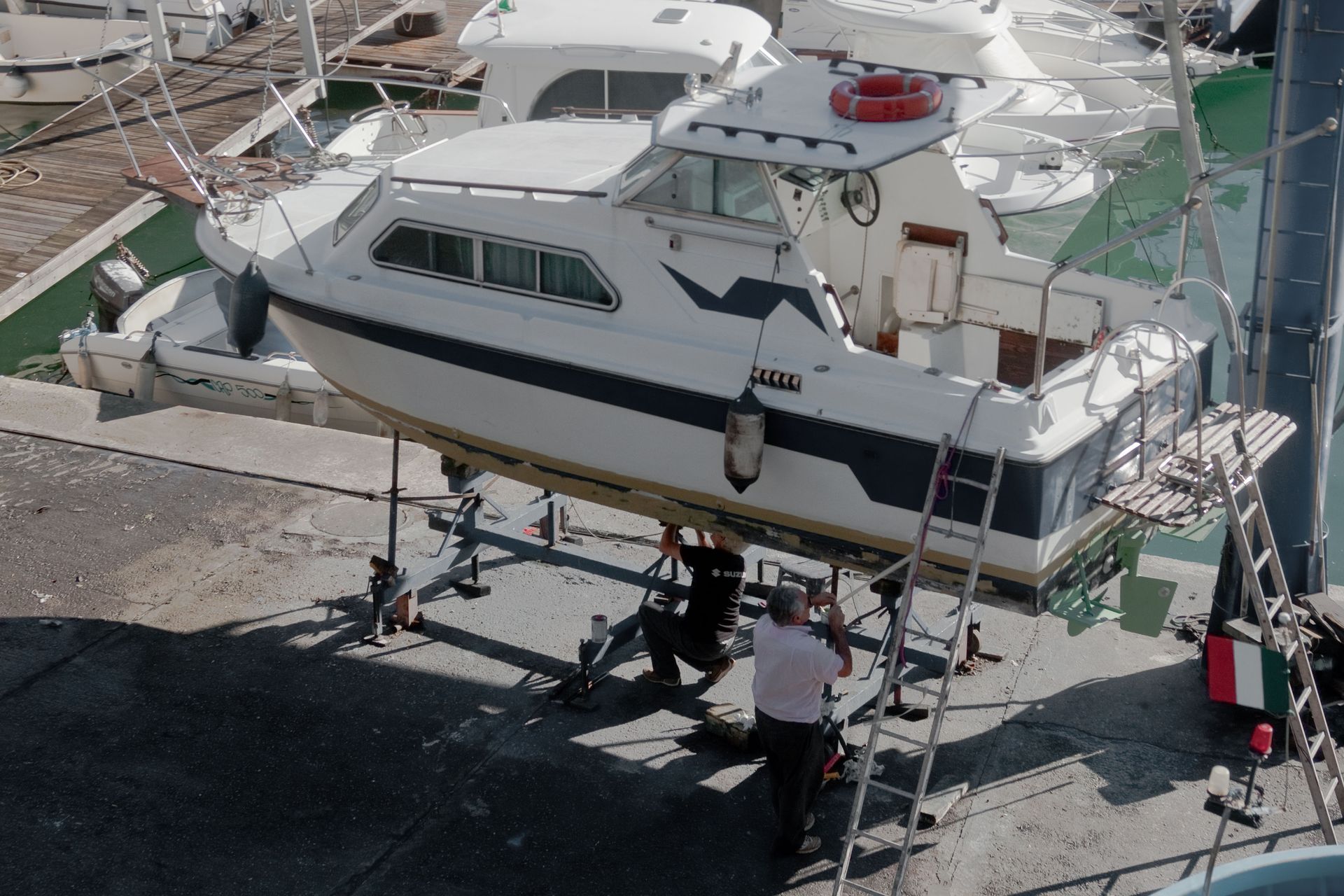
Regular visual inspections form the cornerstone of effective boat lift maintenance. They help detect potential issues early before they lead to significant problems or failures. When visually inspecting a boat lift, focus on areas such as cables, pulleys, and frame structures for signs of wear, rust, or damage. Additionally, check for any debris or obstructions that may interfere with the lift's operation. A keen eye can save significant time and money by preempting larger maintenance issues.
Checking Moving Gears, Hinges, and Winches
Mechanical components such as gears, hinges, and winches require regular inspection for sustained operation. During maintenance, check for smooth operation of gears without grinding or excessive vibration. Examine hinges for any signs of rust or misalignment, which can affect the lift’s stability and efficiency. Winches should spool cables smoothly and without obstruction, signaling proper function and tension. Consistent maintenance focuses on ensuring longevity and peak performance of these mechanical elements.
Documenting the state of mechanical components during inspections informs future maintenance strategies. Note any irregularities or signs of wear observed during checks. This recorded data aids in predicting life expectancy and planning for component replacements. According to Continental Battery Systems, boat lift batteries typically have an operational lifespan of about three to four years, emphasizing the importance of regular check-ups. Staying informed on mechanical condition through documentation facilitates effective maintenance planning.
Inspecting Lift Cables and Pulley Wheels
Cables and pulleys are foundational pillars in any boat lift system, facilitating the lifting motion. Regular inspections ensure these components remain in working order and free from damage. Begin by examining cables for signs of wear such as fraying, broken wires, or corrosion, as these can compromise their structural integrity. Pulley systems should rotate smoothly without obstruction or squeaking, ensuring efficient movement. Well-maintained cables and pulleys are vital for safe and effective lift operation.
Testing Marine Wiring and Electrical Systems
The electrical system is an integral part of many boat lifts, necessitating regular evaluation and upkeep. Start with a basic visual inspection of wires and connections to identify signs of wear or corrosion. Additionally, test electrical components such as switches, control boxes, and batteries to ensure everything is functioning correctly. Proper wire insulation prevents shorts, while secure connections ensure efficient power flow. Evaluating the electrical system involves both visual and functional assessments.
Scheduling Quarterly and Seasonal Lift Inspections
The frequency of inspections is contingent upon a variety of factors such as the environmental conditions and the lift's usage. Ideally, conduct routine inspections at least once every quarter to catch potential problems before they escalate. More frequent inspections are warranted for lifts in saltwater environments due to increased corrosion risk. Similarly, high-use lifts benefit from regular checks to accommodate the additional wear they endure. Establishing a consistent maintenance schedule preserves lift integrity and performance.
Performing Essential Boat Lift Cleaning and Lubrication
Rinsing and Cleaning the Lift Frame
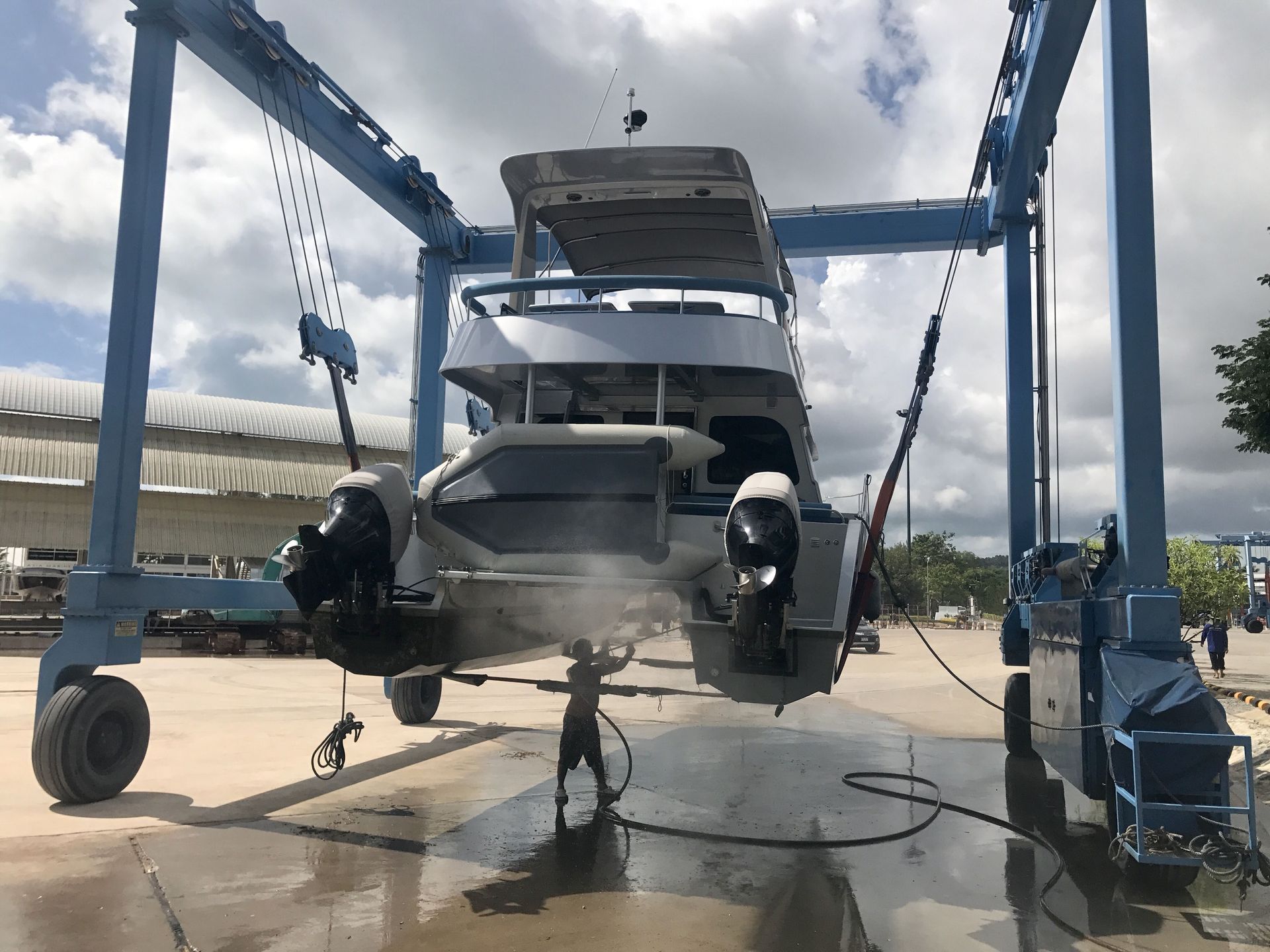
The boat lift frame is the structural backbone, necessitating regular cleaning to ensure its durability and functionality. Start by rinsing the frame with fresh water post-usage, especially when exposed to saltwater, to remove corrosive salt deposits. A gentle scrub with a non-abrasive sponge or brush eliminates persistent grime or algae that may develop over time. Ensure all soap residues are thoroughly rinsed off, as these can accelerate corrosion if left unchecked. Regular cleaning detoxifies the frame, maintaining its structural integrity over time.
Selecting Safe Marine-Grade Cleaning Agents
Choosing the right cleaning agents is critical to effective boat lift maintenance, safeguarding against potential damage or environmental impact. When selecting agents, prioritize those specifically designed for marine environments, as they are crafted to handle both saltwater and freshwater conditions. Avoid abrasive chemical cleaners that could strip or damage protective coatings on the lift parts. pH-balanced, biodegradable cleaners effectively clean without leaving residues that could harbor corrosion or bacterial growth. Thoughtful selection aligns cleaning outcomes with sustainability and structural longevity.
Lubricating Cables, Pulleys, and Moving Parts
Lubrication is a fundamental aspect of maintaining a smoothly operating boat lift, reducing wear and enhancing longevity. Regular lubrication reduces friction among moving parts such as pulleys, cables, and winches, facilitating smoother mechanical movement. Failure to lubricate parts can result in unexpected breakdowns and accelerated wear, weakening operational reliability. Select marine-specific lubricants designed to withstand aquatic environments and varying temperatures without losing effectiveness. Consistent lubrication guarantees seamless operation, shielding moving parts from premature damage.
Preventing Marine Rust and Metal Corrosion
Corrosion is a perpetual threat to metal components in marine environments, necessitating vigilant preventive strategies. Key to preventing corrosion lies in effective cleaning practices, ensuring contaminants such as salt and mud are removed promptly. Protective coatings or galvanization offer additional corrosion resistance, extending the life of crucial components. Incorporate anti-corrosion greases and sealants to provide barriers against environmental elements, thus enhancing structural resilience. Effective corrosion management protects against sudden failures and enhances lift longevity.
Consistent boat lift maintenance is the best way to prevent costly repairs and keep your watercraft safe every season. By understanding your system's mechanics, performing regular visual and electrical inspections, and keeping frames clean and well-lubricated, you can prevent premature wear and marine corrosion. Taking a few simple preventative steps throughout the year ensures smooth, dependable launches whenever you are ready to hit the water.
Protect your watercraft with durable, low-maintenance lifting solutions by contacting Atlas Boat Lifts today to explore our full line of custom boat lifts and accessories!