October 22, 2026
Owning a boat brings incredible freedom, active outdoor recreation, and unforgettable memories on open waters with family and friends. However, protecting your investment when your vessel sits docked at your shoreline is just as critical as performing routine engine maintenance, winterizing drive systems, or navigating safely during open lake routes. Leaving a vessel hull continuously submerged in open water for extended stretches exposes your craft to blistering gelcoats, aggressive algae growth, invasive zebra mussels, and endless structural impacts from relentless wave action banging against dock pilings.
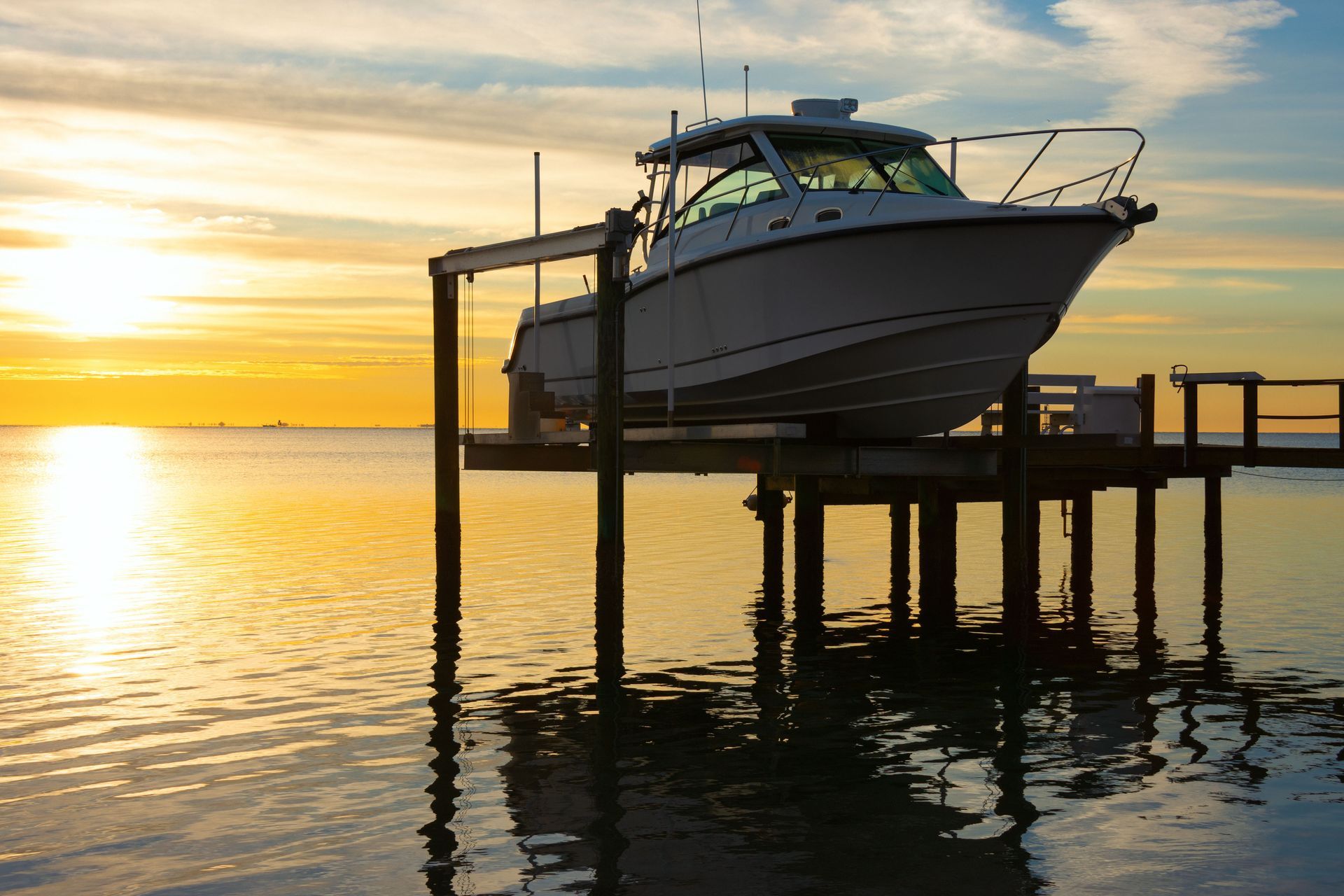
Installing an engineered lift mechanism elevates your boat entirely above the waterline, preserving its hull geometry, preventing severe gelcoat decay, avoiding costly bottom painting, and retaining maximum resale market value over time. Because every shoreline features unique dock engineering, fluctuating water depths, variable lakebeds, and distinct environmental challenges, choosing the correct lifting setup demands thoughtful evaluation. Partnering with an experienced boat lift company ensures you select a system tailored to your specific dock type and shoreline conditions.
Measuring Your Water Depth and Shoreline Profile
Determining precise water depth across every seasonal shift is the most fundamental requirement when evaluating waterfront lift hardware for your property. You must measure depth during peak summer operational levels as well as during low-water periods, drought seasons, and winter drawdowns. Planned drawdown schedules, dry seasonal weather patterns, and dam manipulations routinely drop shore water levels by several feet depending on your geographic location. According to Ameren Missouri, the annual winter drawdown at Lake of the Ozarks lowers water levels to approximately 654 feet above sea level to manage spring flooding. Large water fluctuations directly dictate how much functional clearance your lift cradle needs beneath your boat hull to float off smoothly without scraping the bottom substrate. If your dock sits in shallow water during seasonal low periods, a heavy bottom-standing frame may sit completely unusable on mud, gravel, or exposed rock. Consulting a knowledgeable boat lift company helps you account for these dramatic depth changes so your boat never rests on the lakebed.
Matching Lift Types to Your Specific Dock Structure
Your existing dock engineering dictates which mechanical lifting apparatus will function safely, reliably, and effectively for years to come. Fixed piling-mounted systems attach directly to wooden or steel posts driven into the lakebed substrate, making them ideal for stable, deep-water locations where they supply immovable vertical support for heavy vessels. Conversely, floating lifts serve deep-water environments or floating docks, where the entire lift unit floats alongside the dock framework, riding water level fluctuations seamlessly while keeping boarding heights perfectly uniform for passengers. In locations where permanent pilings cannot be driven or where shallow shoreline water dominates, freestanding bottom-standing lifts rest directly on adjustable legs positioned on the lakebed, offering exceptional stability for sandy or firm mud bottoms. Working with a reputable boat lift company allows you to verify whether your dock framing can support overhead lift structures.
Calculating Weight Capacity and Hull Dimensions
Never select a lifting system relying solely on the dry hull weight printed inside your original boat owner manual or manufacturer specification sheet. True operating weight includes your dry boat weight plus full fuel tanks, filled freshwater bladders, water sports equipment, wake towers, house batteries, aftermarket sound systems, and all aboard passengers during loading procedures. In our experience, a smart safety standard adds a 20% buffer above your total estimated weight calculation to prevent ongoing mechanical strain on cable drums, drive motors, structural welds, and supporting bunks. Beyond total tonnage, hull architecture determines your required bunk configuration and support design. Pontoon boats, tritoons, deep-V offshore hulls, step-bottom performance craft, and inboard wakeboard vessels require custom bunk spacing, specialized pontoon brackets, and tailored hull support to avoid structural stress cracks or fiberglass damage when raised out of the water. A professional boat lift company can perform accurate weight and balance calculations before you purchase a system.
Evaluating Power Sources and Drive Mechanisms
Selecting the appropriate drive mechanism influences lifting speeds, operational noise, convenience, and long-term dock maintenance routines. Hydraulic drive lifts provide exceptionally smooth operation, rapid lifting speeds, and low-profile visual appeal without tall overhead frames, making them a popular choice for modern deep-water docks where clear lake views matter most. Direct-drive electric cable lifts offer high weight capacities, time-tested mechanical durability, simple maintenance, and budget-friendly pricing, serving heavy cruiser hulls, multi-engine offshore vessels, and fixed piling docks with exceptional reliability. Solar-powered drive configurations run entirely independent of shore power lines, using marine deep-cycle batteries charged by top-mounted solar panels to deliver safe direct-current operation for isolated docks or off-grid shorelines lacking grid electrical access. Choosing a reliable boat lift company ensures your electrical supply and drive mechanisms meet local waterfront safety standards.
Accounting for Local Environmental Conditions
Water chemistry and local climate create distinct operational hazards depending on your geographic shoreline location and body of water. Saltwater and brackish coastal environments demand marine-grade structural aluminum, high-grade stainless steel hardware, copper-free components, and sacrificial zinc or aluminum anodes to neutralize aggressive galvanic corrosion. Freshwater lakes present different structural stresses, including heavy wake activity from high-traffic boating channels, sudden wind squalls, heavy rainfall accumulation, and thick winter ice sheets during freezing months. Open water exposure with heavy chop requires reinforced guide poles, heavy-duty winch cables, centering devices, and high-density poly-wrapped bunks to guide your boat safely into position during rough or windy dockings. Local environmental stress factors require guidance from a local boat lift company that understands regional weather patterns.
Planning for Long-Term Maintenance and Upgrades
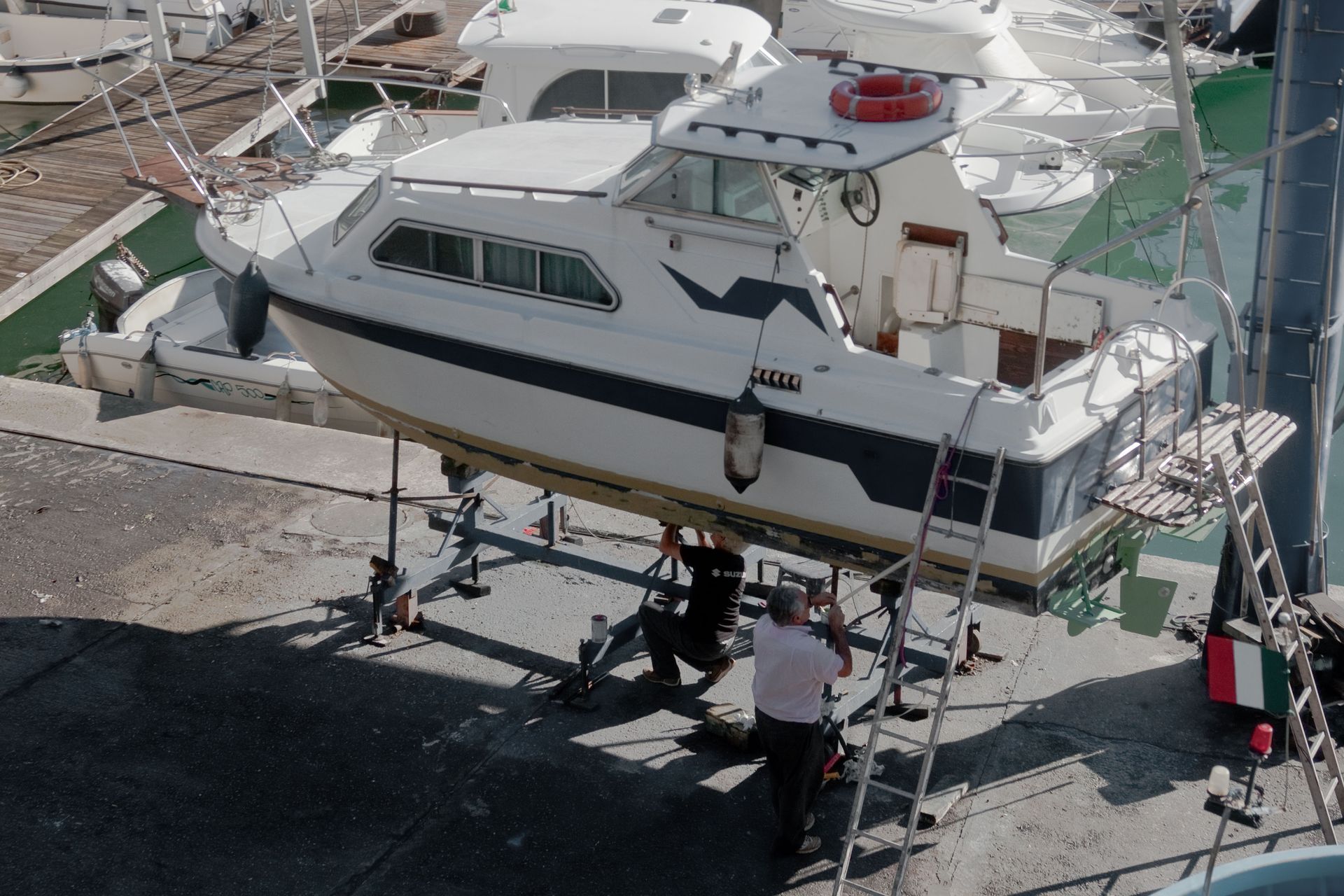
A premium boat lift represents a long-term investment that requires ongoing routine maintenance to guarantee dependable operation every time you head onto the water with family and friends. Seasonal maintenance procedures include checking steel cables for fraying or kinking, greasing drive pulleys and gearbox bearings, inspecting hydraulic lines for pressure drops, checking solar charging systems, and ensuring bunk carpet or vinyl covers remain intact and free of debris. If you plan to upgrade to a heavier performance boat, add a second outboard engine, or install an overhead wake tower in future seasons, choosing a modular lift framework allows simple capacity expansions and bunk adjustments without requiring you to replace your entire dock infrastructure. Scheduling regular inspections with your boat lift company extends the life of your cables, motors, and hardware.
Ensuring Operational Safety and User Convenience
Operating heavy marine hardware safely requires incorporating protective accessories and smart operational practices into your dock layout. Standard safety enhancements include auto-stop limit switches that prevent motor burnout by automatically cutting power when the lift reaches its maximum high or low limits. Installing remote control key fobs allows boaters to lower their lift while approaching the dock from the water, eliminating the hassle of stepping onto a slippery dock to operate manual wall switches during windy conditions. Furthermore, adding integrated dock lighting, full-length canopy covers, and walk-around platforms provides added safety during night dockings while shielding your boat interior from harsh ultraviolet sunlight, rain, and bird droppings. Working with seasoned professionals during installation guarantees that all safety cutoff switches, wiring harnesses, and secondary lock mechanisms function flawlessly under load.
Investing in the correct boat lift safeguards your vessel, simplifies docking routines, protects your family, and maximizes your overall leisure time spent out on the water. By carefully measuring water depth changes across all seasons, matching your dock architecture, calculating true operating wet weight, choosing dependable drive systems, and accounting for local environmental conditions, you secure reliable waterfront performance for years to come. Investing in a quality system from a trustworthy
boat lift company grants you peace of mind every time you dock your vessel.
Ready to upgrade your dock with a custom lift built for your specific water depth? Contact the team at Atlas Boat Lifts today to schedule your on-site waterfront consultation and evaluation. Let us keep your vessel safe, secure, and ready for every lake day.